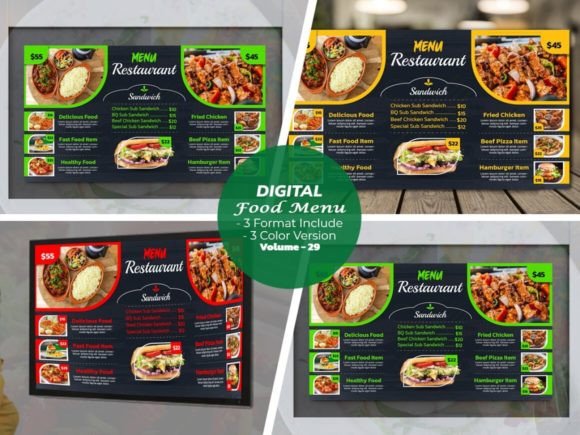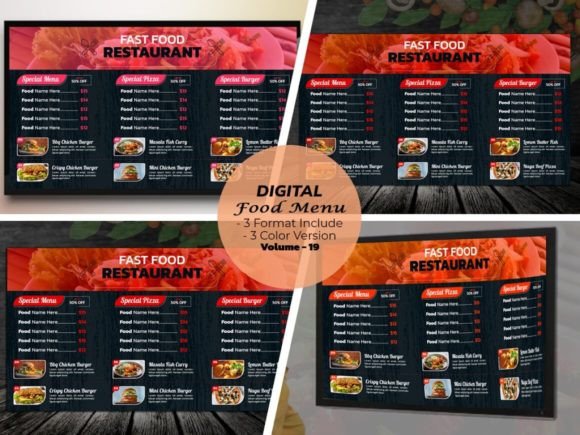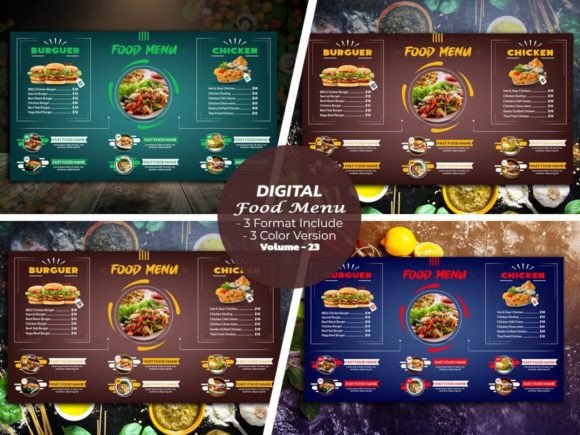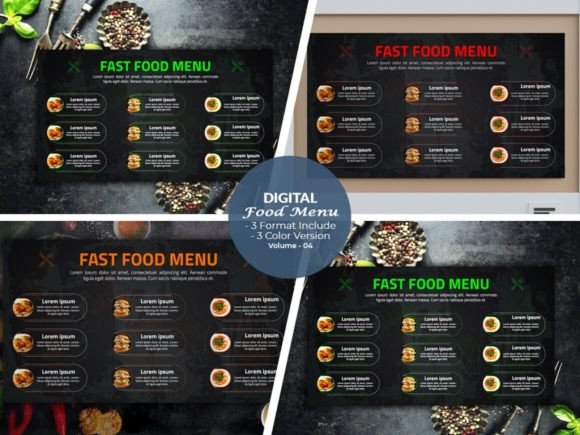
Modern Food Menu Restaurant: A Digital Menu Template for Today's Eateries
In the fast-paced world of hospitality, your menu is more than a list of dishes—it's a silent ambassador for your brand, a crucial piece of editorial design that directly influences customer choices and perceived value. A cluttered, outdated, or visually uninspiring menu can undermine even the most exceptional cuisine. This is where a thoughtfully crafted digital menu for restaurant use becomes a strategic asset. The Modern Food Menu Restaurant template isn't just another design file; it's a comprehensive system built to create an active, engaging, and highly professional menu experience that aligns with contemporary dining aesthetics.
Visual Character and Core Appeal
What immediately sets the Modern Food Menu Restaurant template apart is its clean, versatile, and modern typography framework. It avoids trendy, fleeting styles in favor of a balanced, sophisticated aesthetic. The design leverages a harmonious interplay between serif font and sans serif font options, providing a foundation for clear visual hierarchy. This allows you to establish distinct sections for appetizers, mains, and desserts with effortless clarity. The included script font or handwritten font elements can be used sparingly for accents—like a special "Chef's Recommendation" callout—to inject personality without sacrificing readability.
The template's overall appeal lies in its adaptability. It presents as a premium font collection within a structured layout, meaning it looks polished and intentional. The design isn't rigid; it's a canvas. You can easily customize the color scheme to match your restaurant's interior, brand palette, or seasonal theme. The active look is achieved through balanced white space, strategic alignment, and a logical flow that guides the eye naturally from one section to the next, reducing cognitive load for your customers.
Practical Applications Across Projects
This isn't a single-use asset. The strength of the Modern Food Menu Restaurant system is its utility across a spectrum of professional and creative projects. For restaurant branding, it's a cornerstone. Use the template to develop a consistent brand identity that extends from your physical menu to your social media graphics, website, and even packaging design for takeout containers.
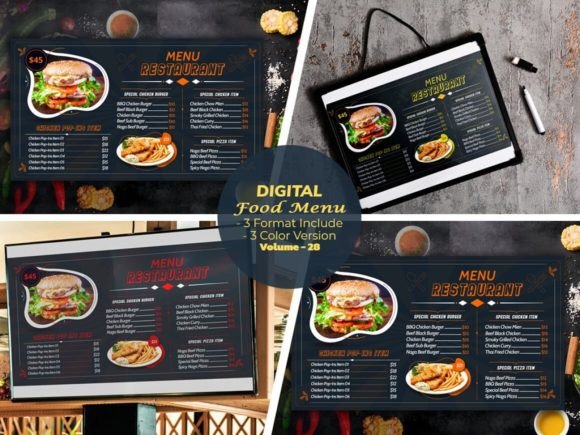
For designers and content creators, it's a robust design asset. The fully editable files are perfect for creating client presentations, portfolio pieces, or mockups. Entrepreneurs and small business owners launching a new café, food truck, or pop-up can use it to establish a professional image from day one without the cost of a full custom design. Bloggers and publishers in the food niche will find it invaluable for creating visually consistent recipe cards or featured restaurant reviews. The template's specifications—28 fully editable Illustrator Ai. files, Eps. files, and PDF. files—ensure compatibility and flexibility. The inclusion of 3 color versions and a (1920X1080) 300 DPI resolution makes it ready for both digital screens and high-quality print.
Strategic Font Selection and Implementation
Choosing a creative font like those included here is a strategic decision. Evaluate the template's fonts against your target audience. The clean sans serifs convey modernity and approachability, ideal for a trendy bistro or fast-casual spot. The serif options add a touch of tradition and elegance, suitable for an upscale dining establishment. The key is to test font pairing within the template's structure. See how the bold heading font works with the lighter body text for dish descriptions. Ensure the chosen combination maintains excellent readability at the final size, whether viewed on a phone screen or a printed placemat.
The template's software support version: Cs6, CC2015.5, CC2017, CC2018, CC2019, CC2020, CC2021+ Version means most designers can work with it seamlessly. For non-designers, the included Google font usage and fonts information with all font link include download in the main file remove the headache of licensing and installation. This attention to practical detail underscores its value as a real-world tool, not just a pretty file. When implementing, always consider the context of use. A menu for a dimly lit wine bar might benefit from slightly larger text and higher contrast than one for a bright, airy brunch spot. Use the template's structure to create a clear visual hierarchy, making your most profitable items or signature dishes impossible to miss. This thoughtful approach to modern typography directly impacts readability, brand perception, and ultimately, audience engagement, turning a simple list into a powerful sales and branding tool.