Novelty Books Dashboard: Your Literary Command Center
Running an online bookstore feels like juggling multiple stories at once. You need to track inventory, understand customer preferences, optimize recommendations, and create an experience that keeps readers coming back. The Novelty Books - Online Book Store Dashboard V1 arrives as a thoughtfully designed solution that transforms scattered data into clear, actionable insights. This isn't just another dashboard template—it's a comprehensive system built specifically for anyone serious about selling books online.
What Makes This Dashboard Design Stand Out
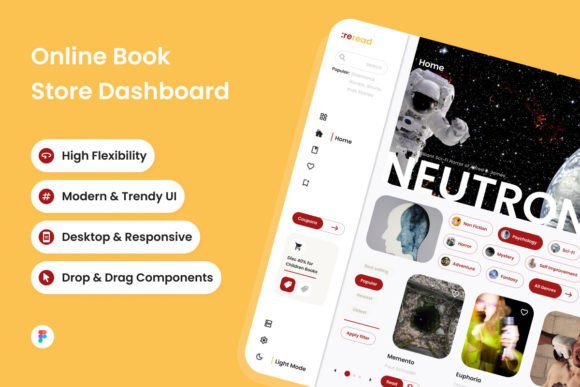
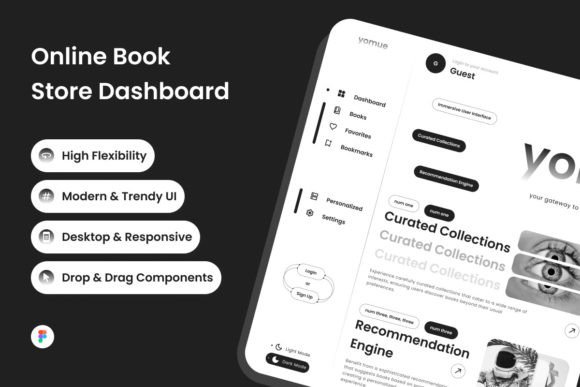
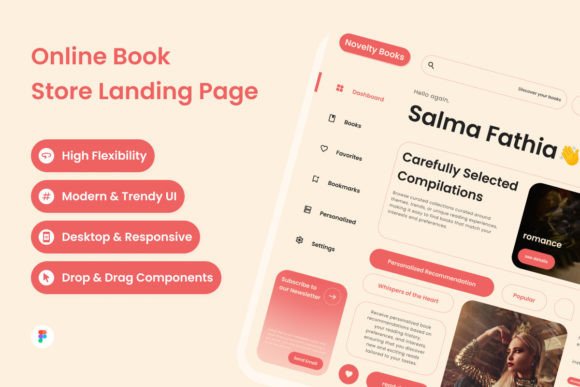
At first glance, the Novelty Books dashboard presents a clean, modern aesthetic that balances functionality with visual appeal. The interface uses a carefully considered color palette that avoids the harsh contrasts common in many dashboard designs. Instead, you'll find soft backgrounds paired with strategic accent colors that guide your eye naturally toward key metrics and important actions.
The layout follows established web design principles while incorporating thoughtful details specific to book retail. Navigation feels intuitive whether you're checking daily sales, reviewing which genres are trending, or adjusting your recommendation engine. The designers clearly understood that bookstore owners need to move quickly between different tasks without losing context or getting lost in menus.
Typography within the dashboard deserves special attention. The typeface choices prioritize readability across different screen sizes and data densities. Headings use a slightly bolder weight that creates clear visual hierarchy, while body text remains comfortable to read during extended sessions. This attention to typographic detail makes the difference between a dashboard you tolerate and one you actually enjoy using.
Designed for Real-World Bookstore Operations
The dashboard includes both desktop and mobile versions, acknowledging that modern business happens everywhere. You might check morning sales figures from your phone while having coffee, then dive into detailed analytics on your desktop later. The responsive design adapts thoughtfully rather than simply shrinking elements to fit smaller screens.
What impressed me most about the Novelty Books system is how it handles book recommendations. The interface presents suggestion algorithms in a way that feels accessible rather than intimidating. You can see which books readers discover together, how recommendation clicks translate to actual purchases, and where your curation efforts make the biggest impact. For independent bookstore owners who rely heavily on personal recommendations, this visibility transforms gut feelings into data-informed decisions.
The inventory management sections deserve recognition for their clarity. Rather than overwhelming you with spreadsheets, the dashboard presents stock levels, reorder points, and seasonal trends through visual summaries that tell a story at a glance. When holiday shopping season approaches, you'll spot potential stockouts before they become problems.
Practical Applications Beyond Basic Store Management
This dashboard design works beautifully for several related professionals and projects. Publishers launching direct-to-consumer channels will appreciate how the interface handles both frontlist titles and backlist catalog browsing. The design accommodates detailed book metadata without creating visual clutter—a common challenge when presenting cover images alongside publication details, pricing, and availability information.
Content creators and bloggers who recommend books regularly could adapt sections of this design for their own platforms. The recommendation display modules translate naturally into "currently reading" widgets, curated reading lists, or author spotlight features. The visual hierarchy established in the dashboard provides a solid foundation for any content presentation where books take center stage.
Small business owners running hybrid operations—perhaps combining a physical bookstore with online sales—will find the multi-channel data presentation particularly valuable. The dashboard doesn't force you to choose between online and in-store metrics; instead, it presents a unified view that reflects how modern book retail actually operates.
Working with the Design Files
The Figma file structure follows professional standards that experienced designers expect. Layers are organized logically, making customization straightforward even for team members who didn't create the original design. If you're bringing this into an existing brand system, the global text and color styles allow you to swap out the default palette and typography quickly without hunting through dozens of individual components.
The use of open source fonts is a practical choice that eliminates licensing headaches during development. You can implement the exact typefaces shown in the preview without additional costs or complicated font management. For entrepreneurs watching their budget, this consideration matters more than designers sometimes realize.
Customization flexibility extends throughout the design. Whether you're adjusting spacing to accommodate longer book titles, modifying the color scheme to match an existing brand identity, or reorganizing sections to emphasize different business priorities, the well-organized file structure supports efficient iteration. The designers created a system rather than a static layout, which pays dividends during real-world implementation.
Creating Cohesive Brand Experiences
A dashboard rarely exists in isolation. It sits within a broader brand identity ecosystem that includes your storefront design, email communications, social media presence, and packaging. The Novelty Books design language provides enough personality to feel distinctive while remaining flexible enough to integrate with diverse brand aesthetics.
The modern typography choices throughout the dashboard suggest sophistication without pretension—exactly the tone most independent bookstores want to strike. This balance between professional polish and approachable warmth influences how customers perceive your entire operation. When your internal tools look and feel intentional, that attention to detail naturally extends to customer-facing experiences.
For marketers and brand strategists working with bookstore clients, this dashboard provides a reference point for maintaining visual consistency across touchpoints. The design decisions embedded in the interface—spacing relationships, color usage patterns, information density choices—can inform everything from email newsletter layouts to social media graphics promoting new arrivals.
Making the Most of Your Investment
Before implementing the Novelty Books dashboard, spend time mapping your specific business processes against the available modules. Not every section will be equally relevant to every operation. A niche bookstore specializing in rare editions might prioritize different metrics than a general retailer stocking bestsellers alongside independent titles.
Test the dashboard with realistic data volumes during your evaluation. Interface designs that feel spacious with sample data sometimes become cramped when handling a catalog of ten thousand titles or processing hundreds of daily orders. The design assets included in this package handle scale well, but verification with your actual numbers provides confidence before committing to full implementation.
Consider how this dashboard design might evolve alongside your business. The modular structure supports adding new sections or modifying existing ones as your operations grow. Whether you're starting with a curated selection of fifty titles or managing a comprehensive catalog, the Novelty Books system provides a foundation that adapts rather than constrains.
The Novelty Books - Online Book Store Dashboard V1 represents a thoughtful approach to an often-overlooked aspect of online bookselling. By treating your operational tools with the same care you bring to curating your inventory, you create a more sustainable, enjoyable, and ultimately successful business. The stories worth telling often start with the systems that make them possible.