Mastering Classroom Chaos with a Teacher Lesson Planner
There is a specific kind of exhaustion that comes from trying to manage a classroom without a system. You know the feeling—scrambling to find the right worksheet five minutes before the bell rings, realizing you forgot to copy the rubric, or staring at a blank page on Sunday night wondering what Tuesday’s math block should look like. For educators, the gap between a chaotic week and a smooth one usually comes down to preparation. This is where a dedicated Teacher Lesson Planner shifts the dynamic from reactive to proactive. It is not just a book of dates; it is the command center for your entire pedagogical strategy.
The Anatomy of a Modern Teacher Planner
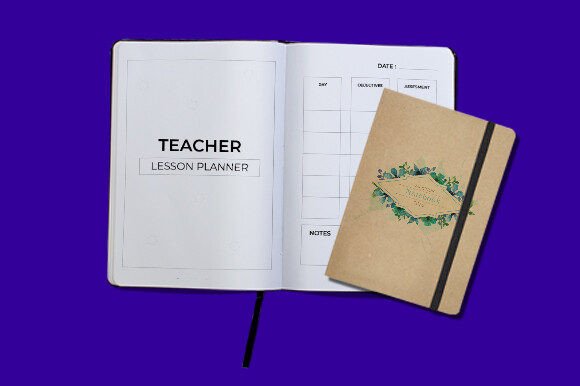
When we talk about a Teacher Lesson Planner in the context of modern design assets, we are moving away from the rigid, spiral-bound books of the past. Today’s resources are designed with the flexibility of modern typography and layout principles. A high-quality planner serves as a premium font environment where readability meets aesthetics. Because every template is customizable, you are not just buying a PDF; you are acquiring a design system. You have the power to modify text, colors, fonts, and layout styles to match your specific visual preferences or school branding.
Visually, these planners are built for clarity. They typically utilize sans serif font families for headers to ensure quick scanning, paired with highly legible serif or sans-serif body text for detailed notes. This careful font pairing creates a visual hierarchy that guides your eye from the week at a glance down to the specific learning objectives for the day. The "personality" of a well-designed planner is authoritative yet approachable. It signals professionalism without feeling sterile, helping you feel organized simply by looking at the page.
Why Customization Matters in Educational Design
The true value of an Editable Teacher Planner lies in its adaptability. In the world of editorial design, one size rarely fits all. A kindergarten teacher needs large blocks for daily activity notes and behavioral tracking, while a high school biology teacher might require smaller, grid-based sections for different class periods. By providing High-Quality Print-ready PDF Files—specifically in 8.5x11 Inches with RGB Color and No Bleed—these assets are optimized for the standard home or office printer. You get the quality of a commercial font layout without the commercial printing costs.
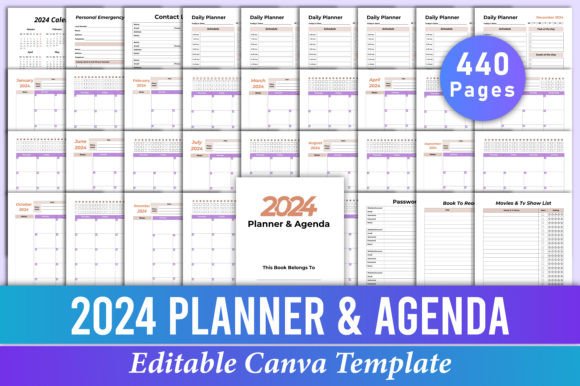
Consider the brand identity of your classroom or your tutoring business. If you are a private tutor or a content creator selling educational materials, having a planner that matches your aesthetic is crucial. You can adjust the color palette to match your logo or change the typeface to a script font for a more personal touch on headers, or stick to a clean modern typography style for a corporate training environment. The inclusion of 120 Pages ensures that you have enough capacity for the entire school year, plus extra pages for curriculum mapping, parent contact logs, and professional development notes.
Practical Applications Beyond the Classroom
While the primary audience is educators, the utility of a Teacher Lesson Planner extends to anyone involved in project management and content creation. Entrepreneurs and marketers often find these structured layouts perfect for campaign planning. The grid systems used in lesson planning are surprisingly effective for mapping out social media schedules or web design sprints.
For small business owners, utilizing a planner template can streamline operations. Think of the "subject" column as a "department" and the "lesson objective" as a "project goal." This repurposing of educational design assets demonstrates the versatility of premium font layouts. Furthermore, because the files are ready in JPG, PNG, and PDF formats, they integrate seamlessly into digital workflows. You can import the PNG into digital planning apps like GoodNotes or Notability, or print the PDF for a tactile planning experience.
Evaluating Design Assets and Readability
When selecting a planner, readability is the most critical factor. A beautiful design fails if you can’t read your own handwriting in the designated spaces. Look for planners that balance white space with structure. The margins should be forgiving, and the grid lines should be subtle enough that they guide your pen without dominating the page. This is where the choice of typeface matters. A heavy, bold display font might look great on a poster, but in a planner, it can crowd the page. A balanced approach uses a medium-weight sans serif font for the structure.
For those in graphic design or branding, reviewing the included styles is essential. Does the planner offer variations? Can you switch between a serif font for a more academic feel and a handwritten font for a creative studio vibe? The best digital assets allow for this level of granular control. When you download a file that offers Editable Files alongside the Ready Files, you are investing in longevity. You aren't locked into a single aesthetic; you can evolve the design as your needs change.
Maximizing Your Planning Workflow
To get the most out of a Teacher Lesson Planner, integrate it into your daily routine rather than just your weekly one. Use the daily pages to time-block your tasks, not just your lessons. If you are a blogger or publisher, use the lesson slots to draft article outlines. The structure forces you to define an "objective" (what is the goal of this piece?) and "materials" (what research do I need?).
Here is a practical recommendation: print a single test page before committing to the full 120 Pages. Check how the RGB Color translates to your specific printer's CMYK output. Sometimes, a vibrant digital blue can print muddy; adjusting the color settings in the editable file ensures your printed planner looks as crisp as the digital version. Since the files are No Bleed, they will print cleanly on standard paper without cutting off edges, but always ensure your printer margins are set correctly.
Ultimately, a Teacher Lesson Planner is more than a calendar; it is a tool for cognitive offloading. By externalizing your schedule, your to-do lists, and your creative ideas onto a structured page, you free up mental bandwidth to focus on what actually matters: teaching, creating, and growing your business. Whether you are a classroom teacher managing 30 students or a creative professional managing multiple clients, the right organizational system is the foundation of success. Investing in a high-quality, customizable planner is an investment in your own clarity and efficiency.